Focus on carbon equipment
Focus on carbon equipment



The continuous carbonization machine is becoming an essential piece of equipment in modern biomass processing industries. Designed for continuous operation, this machine significantly improves production efficiency and ensures consistent product quality.
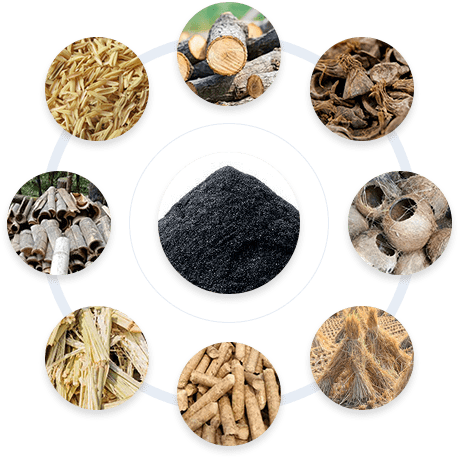
Unlike traditional batch carbonization methods, the continuous carbonization machine allows raw materials to be fed and processed without interruption. This feature makes it especially suitable for large-scale production of biochar and charcoal from materials such as sawdust, rice husks, coconut shells, and palm kernel shells.

The equipment typically includes multiple functional sections, such as drying, carbonization, cooling, and discharging systems, all integrated into a single production line. This design not only reduces labor requirements but also enhances operational stability.
Available in various types, including rotary drum and screw-type carbonizers, the machine can be customized based on material characteristics and production capacity. Additionally, the combustible gases generated during the carbonization process can be recycled and reused as fuel, significantly lowering energy costs.
With its advantages in automation, efficiency, and environmental protection, the continuous carbonization machine is widely used in biomass energy, agriculture, and industrial carbon production sectors.
It is widely used in biomass energy plants, charcoal production lines, and activated carbon industries, offering an efficient way to upgrade low-value wood waste into high-value carbon products.
The equipment used by our Philippine customers is a semi-continuous carbonization equipment from our Dingli.
As global demand for renewable energy continues to rise, biomass pyrolysis equipment is gaining increasing attention in the environmental protection and energy sectors. This advanced technology converts agricultural and forestry waste into valuable produc
Zhengzhou Dingli announced the successful deployment of its latest biochar making machine, designed to convert agricultural and forestry waste into high-value biochar products.