Focus on carbon equipment
Focus on carbon equipment



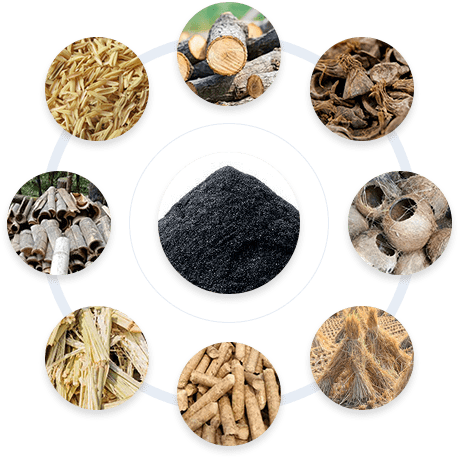
The Dingli Coconut Shell Continuous Carbonization Machine is specially designed for the efficient conversion of coconut shells into high-quality charcoal and biochar. Using advanced continuous pyrolysis technology, the equipment operates under oxygen-limited conditions, ensuring stable carbonization, high charcoal yield, and low energy consumption.
This production line can process large quantities of coconut shells continuously, making it suitable for charcoal plants, activated carbon manufacturers, biomass fuel producers, and agricultural enterprises. The carbonized product features high fixed carbon content, low ash content, and excellent calorific value, making it an ideal raw material for activated carbon production, barbecue charcoal, industrial fuel, and soil improvement applications.

The system is equipped with an intelligent control system, automatic feeding and discharging devices, and an efficient flue gas recycling system. The combustible gases generated during carbonization can be reused as a heat source, reducing fuel costs and improving overall energy efficiency. At the same time, the advanced exhaust gas purification system helps meet environmental protection requirements.
Dingli Coconut Shell Continuous Carbonization Machine provides a reliable and sustainable solution for transforming coconut shell waste into valuable charcoal products, helping customers achieve higher economic returns while promoting resource recycling and green development.
The Dingli Coconut Shell Continuous Carbonization Machine is specially designed for the efficient conversion of coconut shells into high-quality charcoal and biochar.
The Dingli Continuous Rice Husk Carbonization Machine is specially designed for the efficient conversion of rice husks into high-quality biochar through advanced biomass pyrolysis technology.
Dingli Group is proud to announce the official opening and operation of its new manufacturing plant, marking another significant milestone in the company's development and expansion.
The equipment is suitable for a wide range of materials commonly found in Malaysia, including palm biomass, coconut branches, wood waste, bamboo, and other agricultural residues, helping businesses turn low-value waste into profitable charcoal products.