Focus on carbon equipment
Focus on carbon equipment


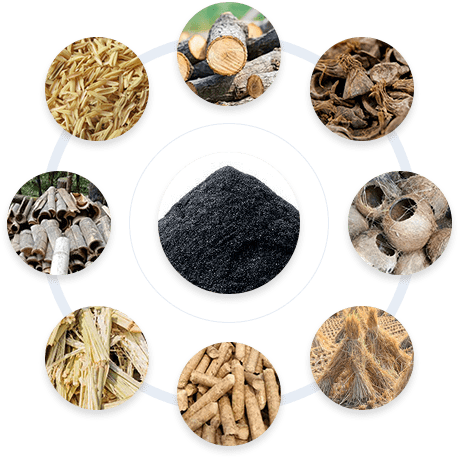
The excellent performance of a carbonizer depends on pre-processing, with particle size and moisture being key factors in determining carbonization results. Standardized pretreatment can unlock the true potential of carbonization equipment.

Material particle size must strictly meet equipment requirements. Uneven material size can lead to uneven heat distribution, affecting the consistency of the carbonized product. Standardizing material particle size through mechanical processing significantly improves pyrolysis efficiency and ensures uniform and stable carbon output.
Material moisture also directly impacts the economic and environmental performance of the carbonization process. Highly moist materials not only increase drying energy consumption but also generate more waste gas. Controlling the water inflow rate to achieve "optimal moisture carbonization" helps reduce operating costs, increase product value, and meet green production standards.
Paying attention to material pretreatment is crucial to improving the overall performance of a carbonizer. High-quality carbonization equipment, combined with scientific material management, will ensure sustainable and stable profits for users and contribute to environmental benefits. Joining forces with advanced carbonization technology, we can build a path to resource recycling.
As the volume of accumulated agricultural and forestry waste continues to rise, effective disposal methods have become a focal point of global concern.
Activated carbon equipment is playing an increasingly vital role in the production of high-performance carbon materials, yielding significant economic and environmental benefits.
Horizontal carbonization furnaces are widely utilized in the charcoal industry, primarily for processing woody raw materials into high-quality charcoal.
The continuous carbonization machine is becoming an essential piece of equipment in modern biomass processing industries.