Focus on carbon equipment
Focus on carbon equipment



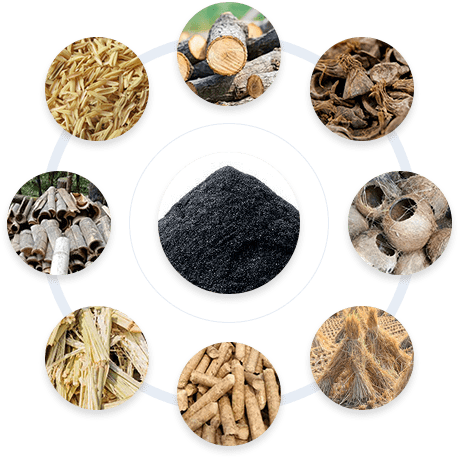
The production of biomass-based activated carbon—facilitated by advanced activated carbon equipment—is establishing an entirely new value chain within the framework of the circular economy, transforming agricultural and forestry waste into high-value industrial raw materials. In contrast to traditional waste disposal methods such as incineration or landfilling, biomass residues—including sawdust, coconut shells, and nut shells—are now being converted into activated carbon through controlled carbonization and activation processes. This transformative process not only effectively mitigates environmental pollution but also generates substantial economic benefits.

Dingli Activated Carbon Equipment features a design that seamlessly integrates high levels of automation with precision control systems. These systems ensure the consistent and stable regulation of temperature during the activation phase—a critical factor in guaranteeing that the final product possesses a uniform pore structure and consistent adsorption performance.
Furthermore, the mechanisms incorporated into Dingli Activated Carbon Equipment for the recovery and utilization of thermal energy and exhaust gases serve to not only enhance energy efficiency but also effectively reduce operational costs. By converting low-value biomass waste into high-quality activated carbon products, this technology strikes a balance between environmental sustainability and industrial profitability, thereby serving as a key driving force for the development of the green economy.
The Charcoal Briquette Production Line is a complete solution for converting biomass charcoal powder into high-quality charcoal briquettes for BBQ, shisha, and industrial fuel applications. The production line integrates multiple processing stages to prov
The Biomass Carbonization Machine is an advanced thermal processing system designed to convert various biomass wastes into high-quality biochar and biomass charcoal through controlled carbonization. It can process a wide range of raw materials, including
The Biomass Carbonization Machine is specially designed for converting wood sawdust, wood chips, wood shavings, and other woody biomass waste into high-quality biomass charcoal and biochar. It provides an efficient solution for the resource utilization of
With the growing global demand for high-quality activated carbon in water treatment, air purification, food processing, and industrial applications, coconut shells have become an ideal raw material due to their high carbon content, low ash content, and ex