Focus on carbon equipment
Focus on carbon equipment



As the global focus on renewable energy and sustainable waste management continues to grow, coconut shell charcoal making machines are becoming increasingly popular among biomass processing companies. Coconut shells, once considered agricultural waste, are now being transformed into valuable charcoal products used in barbecue fuel, activated carbon production, water purification, and industrial applications.
Modern coconut shell charcoal making machines utilize advanced pyrolysis technology to convert biomass into high-quality charcoal under oxygen-limited conditions. The process not only produces premium charcoal but also recovers combustible gases generated during carbonization, which can be reused as a heat source to improve energy efficiency and reduce emissions.

Industry experts believe that the increasing availability of coconut shell waste in Southeast Asia, Africa, and Latin America provides significant opportunities for investors. By converting waste into valuable carbon products, businesses can create new revenue streams while contributing to environmental protection and carbon reduction goals.
With the rapid development of green energy projects worldwide, coconut shell charcoal making machines are expected to play a key role in promoting circular economy practices and sustainable biomass utilization.
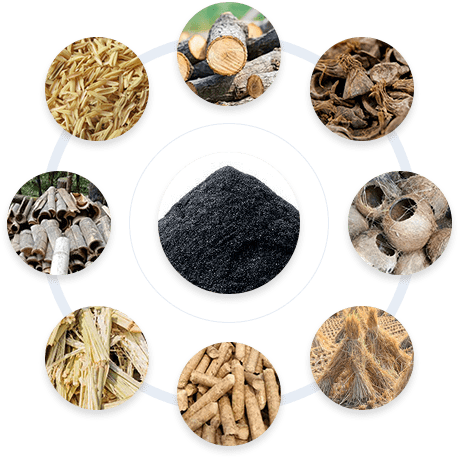
As the global demand for sustainable waste management and carbon reduction solutions continues to grow, biomass pyrolysis technology is becoming an effective way to convert agricultural and forestry residues into high-value biochar products.
The Dingli Horizontal Carbonization Furnace is a highly efficient charcoal production system designed for converting various biomass materials into high-quality biochar and charcoal.
On the morning of June 29, 2026, Zhengzhou Dingli successfully held its internal preparatory meeting for the 21st National Drying Conference. A dedicated working group for the entire conference process was formally established, officially commencing prepa
The Dingli Coconut Shell Continuous Carbonization Machine is specially designed for the efficient conversion of coconut shells into high-quality charcoal and biochar.